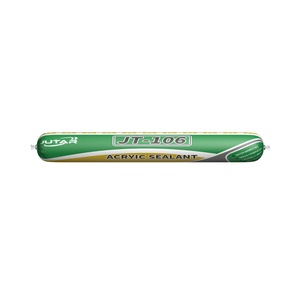
Acrylic sealant is prepared by adding surfactants, plasticizers, dispersants, calcium carbonate, and additives to acrylic ester emulsion. It is usually in water-based emulsion form. It has excellent adhesion, elasticity, and low-temperature flexibility, no solvent pollution, is non-toxic, and has excellent weather resistance and UV resistance. Acrylic sealant is mainly used for sealing of roofs, wall panels, doors, and windows. However, its water resistance is not very good, so it is not suitable for projects that are frequently exposed to water, nor is it suitable for joints in squares, roads, bridge decks, etc. that have traffic, nor is it suitable for underwater joints in pools, sewage treatment plants, irrigation systems, dams, etc.
Key Features
Application advantages - The use of acrylic-based building sealant can significantly enhance the waterproofing and sealing performance of the building structure.
Furniture production - Joining of wood and panels and filling of gaps
Construction Engineering - Used for filling, sealing, waterproofing of metals or plastics, with rapid curing.
Lower cost - Compared to high-end sealing materials such as silicone sealant and MS-modified silicone sealant, this product offers a more cost-effective price.
Product Parameters
Property | Result |
Drying time of the surface | 40 hours |
Tensile strength | 0.02 ~ 0.15MPa |
Density | 1.54 - 1.65 |
Durability | 15 to 20 years |
Strain rate | 100-240% |
Shelf life | 12 months |
Packaging specifications | 590ml |
Applicable Scenarios
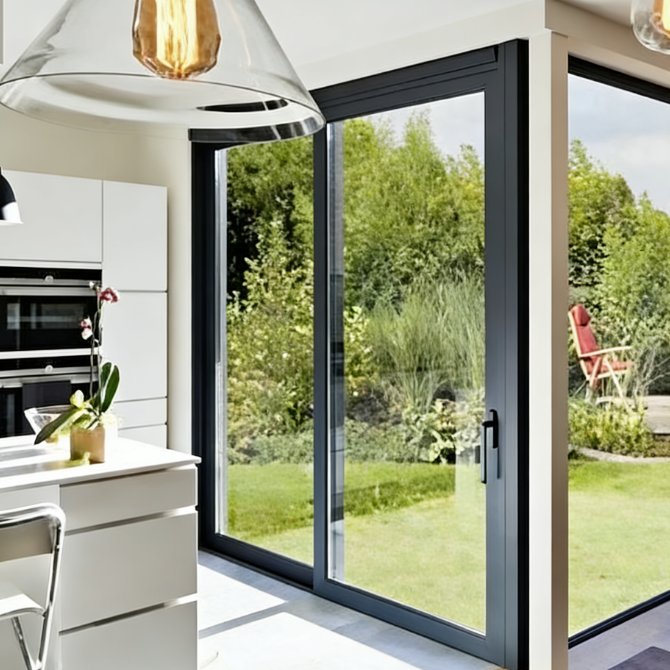
Doors and Windows
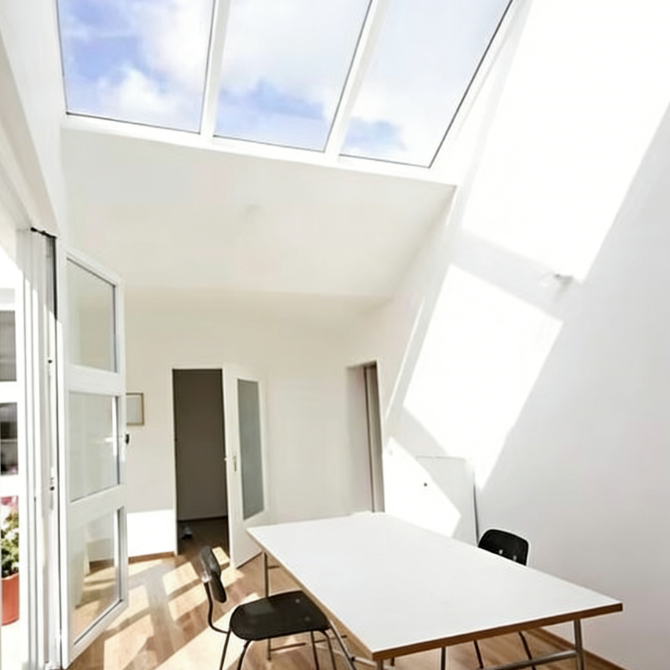
Sunroom
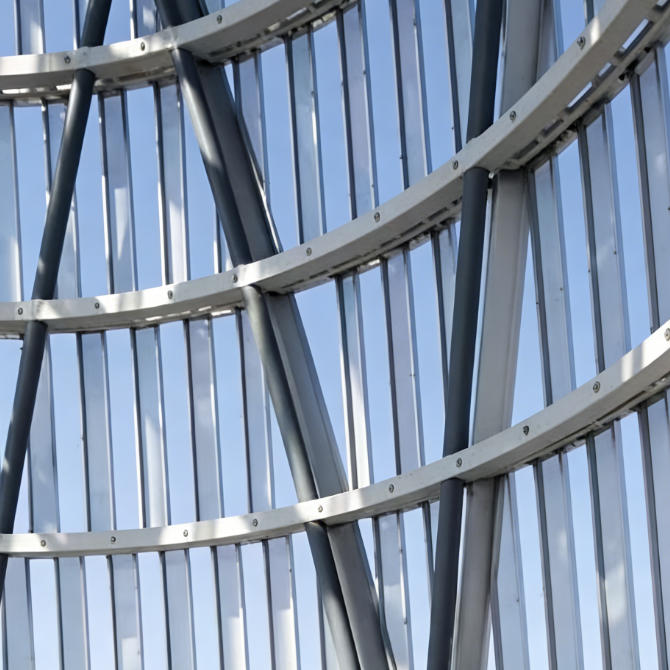
Glass Curtain Walls
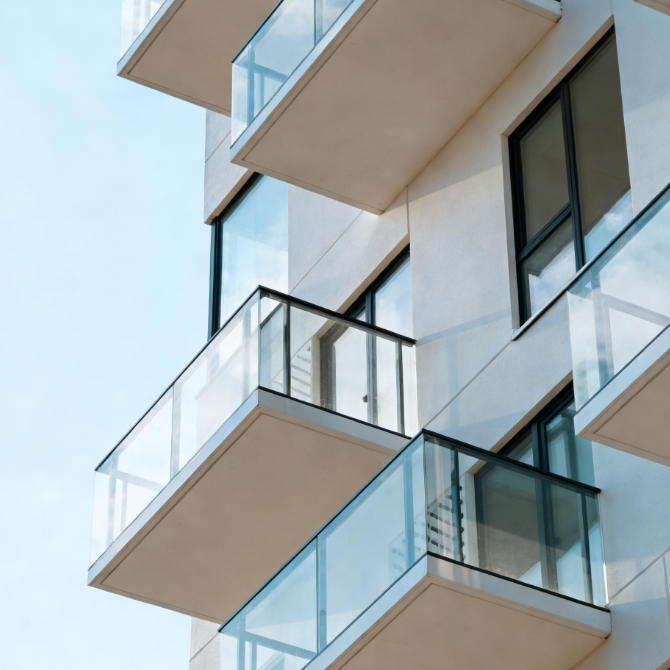
Glass Railings & Balustrades
6 Great Advantages
Superior Performance, Harmless to Health
HIGH QUALITY
QUICK-DRYING NON-WHITISH


